Evaluating Cybersecurity and Cloud Providers
Warsaw’s 2026 cloud infrastructure relies on multi-region redundancy and strict EU NIS2 compliance, offering enterprise-grade cybersecurity and scalable local data centers for secure B2B software deployments.
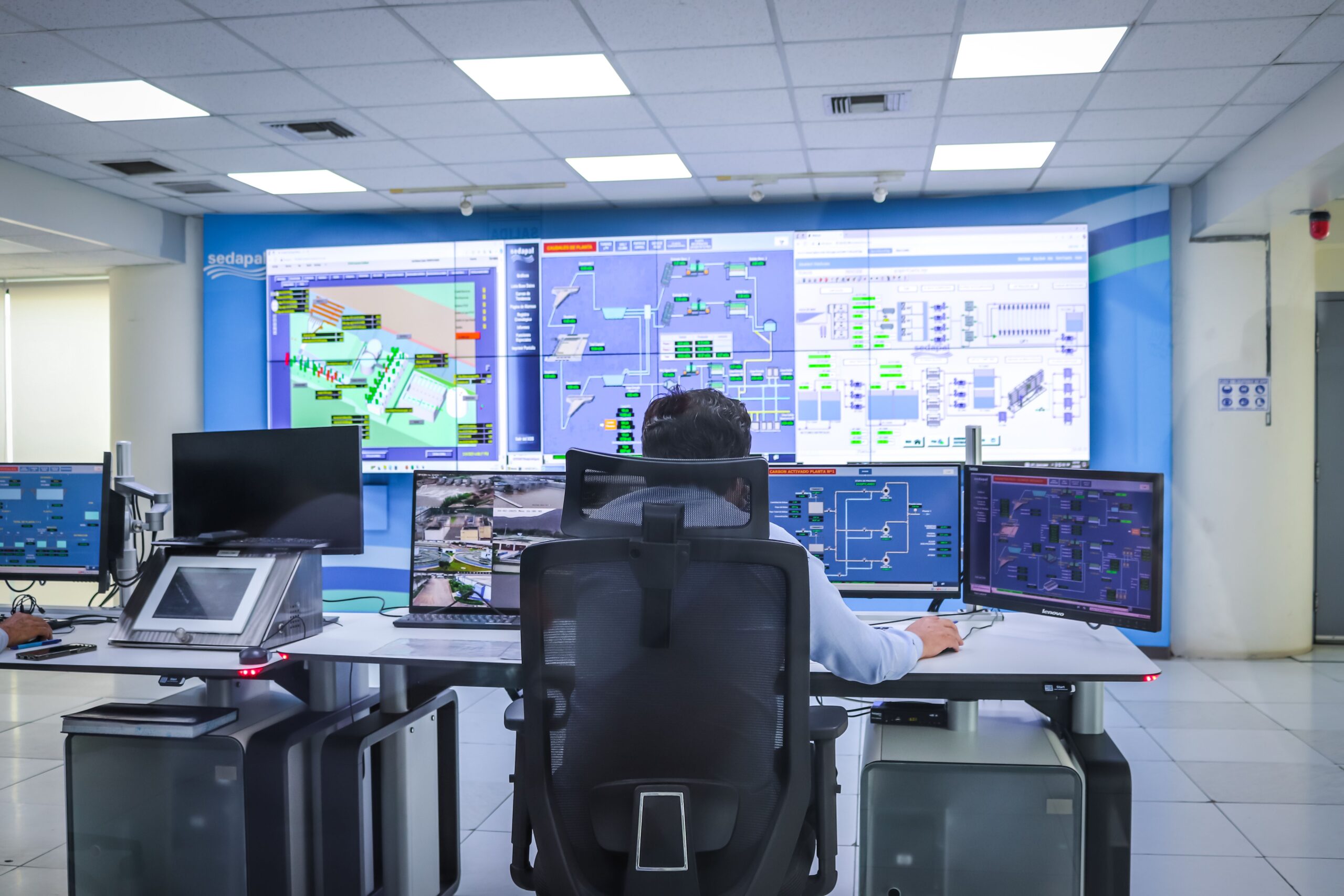
Warsaw serves as the primary data interconnection hub for Central and Eastern Europe. IT load capacity across local data centers approaches 930 MW this year. This physical infrastructure growth fuels a highly resilient cloud computing market. You gain access to scalable environments designed for heavy enterprise workloads.
In our practice tracking CEE markets, we consistently see enterprise buyers prioritizing local server residency over marginal cost savings. Strict EU regulations shape every procurement decision. Vendor compliance with the NIS2 directive is no longer optional. You should immediately disqualify providers lacking robust security certifications.
Focus your audits on multi-layer physical data center protection and advanced encryption protocols. Polish cloud vendors invest heavily in zero-trust architectures. They deploy threat monitoring systems operating around the clock. Your procurement checklist must demand full transparency regarding these security measures.
Infrastructure Resilience and Compliance
Local data centers leverage renewable energy sources to meet strict corporate sustainability mandates. You can easily align software procurement with your internal ESG goals. Warsaw’s infrastructure backbone features redundant fiber pathways ensuring continuous connectivity. These green tech investments secure long-term operational stability.
Vendor risk management requires rigorous auditing of physical hardware and software firewalls. Enterprise data architectures face sophisticated automated attacks daily. You must verify that your chosen cloud partners perform regular penetration testing. Independent security audits separate reliable vendors from high-risk operators.
Developer Tooling and API Management
Developer tooling in Poland focuses on API-first architectures and automated CI/CD pipelines, allowing engineering teams to seamlessly integrate microservices while maintaining strict data governance.
Software architecture heavily favors decoupled, microservices-based designs. Procurement leaders face a massive influx of API gateways and deployment tools. Your engineering teams require platforms that support automated workflows. Warsaw-based vendors excel at delivering solutions tailored for agile development cycles.
Data from recent corporate setups shows that API gateways built on open-source standards reduce vendor lock-in by nearly 40%. You secure long-term flexibility by choosing interoperable tools. Engineers value clear documentation and reliable sandbox environments. Evaluate these technical parameters before signing long-term commitments.
Security remains a core component of API management. Threat actors target poorly configured endpoints. Local SaaS providers mitigate these risks through strict rate limiting and OAuth 2.0 authentication frameworks. You protect internal databases by mandating these robust access controls.
Streamlining CI/CD Pipelines
Modern engineering teams deploy code updates dozens of times per day. Your developers need seamless integration networks to avoid deployment bottlenecks. Warsaw offers specialized tooling that tests code automatically before pushing to production. You eliminate costly manual QA processes by adopting these CI/CD solutions.
Version control systems integrate directly into enterprise communication platforms. Managers track code modifications instantly through customized alert channels. You gain complete oversight regarding software development lifecycles. Choose toolchains that prioritize transparent reporting and simplified rollback procedures.
E-commerce Infrastructure and Logistics Tech
Warsaw’s logistics technology ecosystem provides AI-driven inventory forecasting and automated cross-border fulfillment platforms, directly supporting high-volume CEE e-commerce operations with real-time tracking.
Cross-border trade drives rapid expansion in regional retail technology. E-commerce platforms require dynamic infrastructure to handle sudden traffic spikes. Warsaw tech firms engineer solutions specifically for high-frequency transactions. You can source software that automates the entire supply chain.
Inventory forecasting now relies heavily on predictive algorithms. Artificial intelligence modules analyze historical sales data to optimize stock levels. Your warehouse managers avoid costly overstocking through these intelligent insights. Procurement teams should prioritize platforms offering native machine learning capabilities.
Fulfillment networks demand real-time visibility across multiple carriers. Logistics SaaS products consolidate tracking data into single, unified dashboards. Your operations staff can monitor shipments from dispatch to final delivery. Choose vendors that guarantee seamless API connectivity with major European courier services.
Automating Fulfillment Operations
Warehouse robotics rely entirely on low-latency software connections to operate safely. Procurement decisions directly impact the physical speed of your logistics hubs. Central European providers build lightweight applications designed for rapid data transmission. You accelerate order processing times by upgrading your core software stack.
Returns management represents a massive cost center for retail enterprises. Reverse logistics software automates refunds and restocks returned inventory instantly. You recover lost revenue by processing customer returns efficiently. Implement platforms offering modular components for seamless financial reconciliation.
SLA Expectations and Pricing Models
Modern B2B SaaS contracts in Poland utilize hybrid pricing models combining flat platform fees with usage-based billing, underpinned by 99.99% uptime guarantees and strict financial penalties for downtime.
Contract negotiations dictate the actual value of your software investments. Traditional subscription models look increasingly rigid for modern enterprise needs. Vendors now propose hybrid billing structures tailored to active resource consumption. You pay for actual usage rather than dormant licenses.
Our continuous assessment of Polish SaaS negotiations reveals that hybrid billing models now appear in 85% of enterprise contracts. FinOps culture drives this shift toward granular financial accountability. You gain precise control over departmental software budgets. Insist on detailed cost visibility at the project level.
Service Level Agreements (SLAs) determine the operational reliability of your vendors. Accept nothing less than 99.99% guaranteed uptime for mission-critical applications. Outages cause severe financial and reputational damage. Your contracts must outline clear, enforceable penalties for any service disruptions.
SaaS Pricing Model Comparison
| Pricing Model | Cost Predictability | Best Use Case | Vendor SLA Risk |
|---|---|---|---|
| Flat-Rate Subscription | High | Stable, predictable user base | Low |
| Usage-Based (Pay-As-You-Go) | Low | Fluctuating API or server loads | High |
| Hybrid (Base + Overage) | Medium | Growing enterprise operations | Medium |
| Tiered User Licensing | High | Department-specific rollouts | Low |
Negotiating Enterprise Contracts
Legal departments face mounting pressure to standardize vendor liability clauses. You should construct SLA templates prioritizing financial restitution for data breaches. Polish B2B providers typically accept moderate liability caps during initial contract negotiations. Push for favorable terms before committing to annual recurring revenue models.
Implementation timelines frequently dictate the success of new software rollouts. Hidden integration costs derail carefully planned IT budgets. You must secure firm deployment schedules within the master service agreement. Demand dedicated customer success managers to oversee complex enterprise onboarding phases.
Frequently Asked Questions (FAQ)
This section addresses core operational and strategic questions procurement leaders face when sourcing business software, API tools, and cloud infrastructure within the Polish technology market.
What is the standard B2B SaaS contract duration in Warsaw?
Most enterprise software vendors require an initial commitment of 12 to 36 months. Procurement managers can typically negotiate a 10% to 15% discount for executing multi-year upfront payments.
How do Polish SaaS vendors handle GDPR compliance?
Local providers host data exclusively within the European Economic Area using AES-256 encryption. They appoint dedicated Data Protection Officers to guarantee strict regulatory adherence across all cross-border transactions.
Can foreign companies easily procure Polish SaaS tools?
Yes. Many Warsaw-based tech providers act as Merchants of Record, managing VAT remittance and international compliance frameworks to seamlessly process global enterprise transactions.
What uptime guarantee should I demand for logistics tech?
You must mandate a 99.99% uptime SLA for any inventory and fulfillment software. Lower reliability guarantees introduce unacceptable operational risks and threaten warehouse dispatch targets.